“Hostility in Public, Partnership Behind the Scenes“
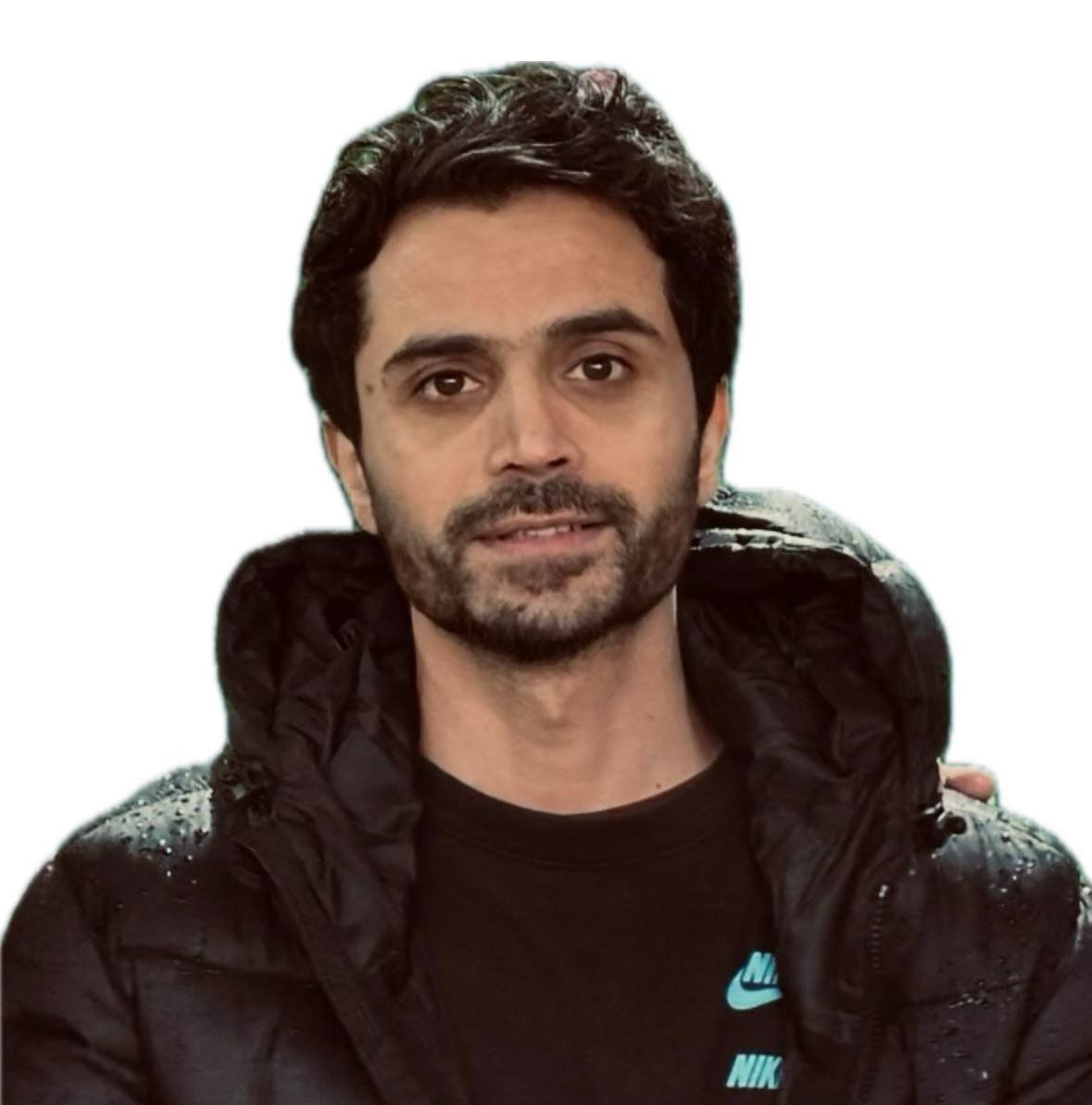
Barham Khalid Hama – Activist
Before the Kurdish uprising, after the uprising, and even today—and likely in the foreseeable future—the political parties of the Kurdistan Region have never truly united around a single national interest. Instead, they have consistently viewed one another as political adversaries. Yet amid every conflict, political crisis, and period of tension, one common ground has always remained: money and the division of public wealth.
This has long been the defining characteristic of a patronage-based system of governance. Whenever political disputes intensify, they almost always lead back to financial interests and economic gains. Even issues that directly affect people’s daily lives ultimately become matters of distributing revenue and controlling public resources.
One example is enough to illustrate the point.
Every month, the Sulaymaniyah administration transfers approximately 48 billion Iraqi dinars to Baghdad through the Ministry of Finance, while the Erbil administration sends its own share. If these amounts increase or decrease, the issue is resolved internally and never reaches the media. The reason is straightforward: compared with the hundreds of billions of dinars they continue to control, the amount sent to Baghdad is relatively small. Rather than allowing such disputes to escalate, they reach an agreement—despite portraying themselves to the public as being in deep political conflict.
The Chamchamal gas field, which experts estimate could supply the Kurdistan Region’s electricity needs for nearly 700 years, continues to flow daily to power generation facilities in Erbil without interruption or political confrontation between the two dominant parties. Yet their public statements often suggest that communication between them has completely broken down.
Even during the years following the Kurdish uprising, while the sons of poor families were dying on the front lines of the Kurdish civil conflict, these same political forces reportedly maintained close cooperation on customs revenues, taxes, and financial arrangements.
For that reason, much of today’s hostility, insults, and political tension across social media appears, in the author’s view, to be little more than political theatre—designed to distract public attention while allowing those in power to accumulate more wealth, place heavier burdens on ordinary citizens, and further consolidate their authority.
If that is not the case, then why, more than 640 days after the parliamentary elections, has the Kurdistan Parliament still failed to nominate a candidate to form a new cabinet?
Another important question follows: How can two political forces fail to reach agreement over a ministry, a government position, or a political decision, yet remain so coordinated when it comes to oil revenues and the alleged daily smuggling of hundreds of tanker loads—activities that, according to critics, also escape meaningful scrutiny from Baghdad?
In my view, the lack of public awareness and the weakness of a fragmented opposition have made it easier for the authorities governing the Green and Yellow Zones to protect one another. Publicly, they accuse each other in the harshest possible terms. Behind closed doors, however, they appear to cooperate effectively when it comes to safeguarding their shared interests.
The real problem is that many people continue to see only the visible political confrontation, while overlooking the hidden relationships and common interests that, according to this perspective, continue to operate behind the scenes.
Author Profile

 Opinion26 August 2026Between Claims of Success and the Suffering of Citizens: The Realities of Barzani and Talabani Rule
 Opinion18 August 2026Kurdish Society: Between Numbness and Waiting!
 Opinion5 August 2026From resilience to the imposition of poverty on the people!
 Opinion26 July 2026“Hostility in Public, Partnership Behind the Scenes“