
Will an Armed Revolution Succeed?
Diyar Harki – Founder of KurdFile
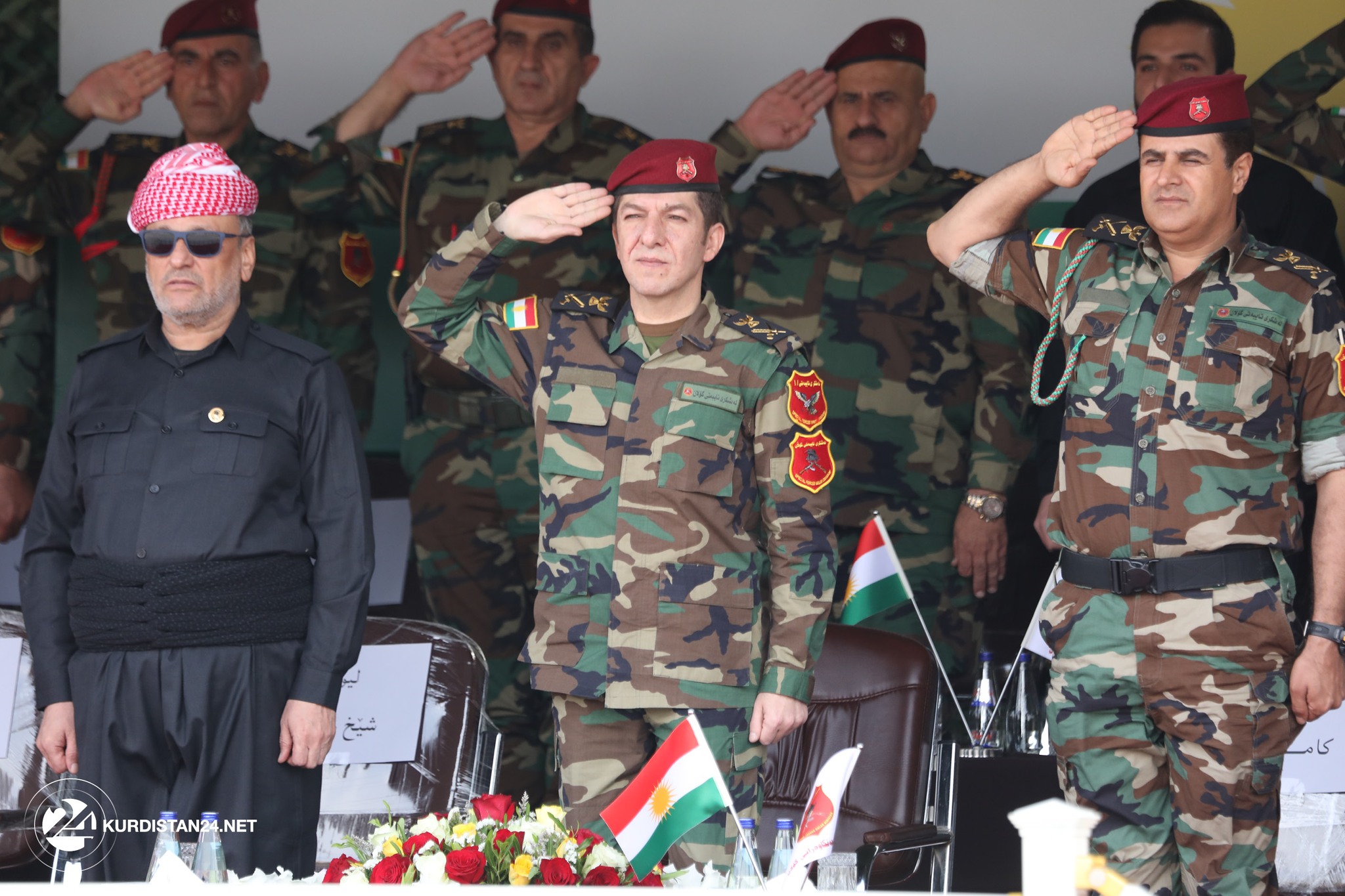
An armed revolution succeeds only when weapons are in the hands of the wise. When weapons are placed in the hands of uneducated youth — or in the hands of those enslaved to impulse, party loyalty, or personal gain — it produces nothing but destruction without direction.
There is no realistic prospect of a military coup in the Kurdistan Region. Nor is there any indication that the Peshmerga would rise against the dominance of the Kurdistan Democratic Party (KDP) and the Patriotic Union of Kurdistan (PUK) in the name of the people.
For more than three decades, the KDP and PUK have shaped a system in which the Peshmerga, the Asayish, and internal security forces do not operate as guardians of the nation, but as extensions of party authority. Institutional independence has been replaced by partisan loyalty.
Without a national doctrine and patriotic civic foundation, security forces do not evolve into protectors of the public; they become instruments of control. The cases of Lalezar and Lanaz illustrate a deeper structural problem: the absence of a unified national force. What exists instead is a fragmented apparatus aligned with political families and party leadership.
Until institutions are rebuilt on national, not partisan, foundations, any talk of armed change will remain fantasy and any weapon raised without wisdom will only deepen the crisis rather than resolve it.
Author Profile

- Harki is an independent investigative journalist and human rights advocate. As a member of the National Union of Journalists (NUJ), he focuses on exposing corruption and human rights abuses in Kurdistan and Iraq. He voluntarily contributes to Kurdfile Media.
 Opinion21 October 2026What If?
 Kurdistan9 May 2026Urgent Appeal for Sherwan Sherwani’s Life
 Opinion30 April 2026Looting Under the Flag: How Power Turned War into Private Wealth
 Democracy of Hell30 April 2026A Region in Name, A Dynasty in Practice