Lajan: When a Village of Harki Tribe Is Silenced Power, Loss, and the Cry for Justice
By Harki
The events that unfolded in Lajan village this week are more than a single moment of violence; they are a window into a deeper conflict between state power, community dignity, tribal identity, and the human cost of unchecked authority. What happened in Lajan is not merely a clash. It is a story of grief, fear, and the growing distance between ordinary people and the governments that claim to represent them.
At the center of it all stands a young father, Irfan Bahadin Ahmad, and the two-month-old baby who will grow up without him. But surrounding his death is a larger tale—one of military force, suppressed voices, tribal outrage, and a village wrestling with questions that no authority has yet dared to answer.
A Death That Changed Everything
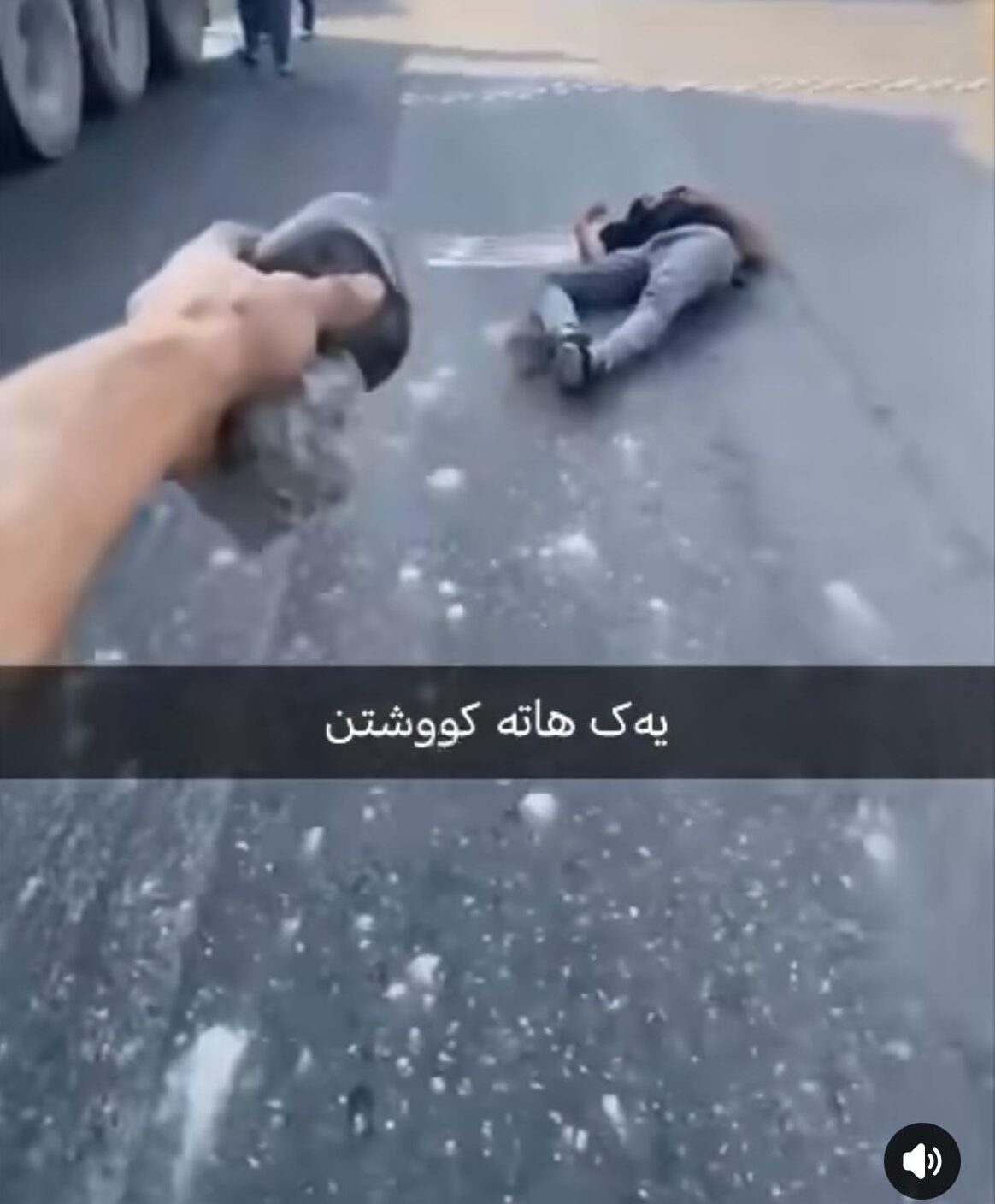
Irfan was 25 years old, a truck driver from Kirkuk’s Darwaza neighborhood, and a new father. His baby, Ayan, is barely two months old. When villagers gathered peacefully near the Lanaz oil refinery to demand the release of a detained young man named Shkur, few imagined the protest would erupt into gunfire.
But it did.
Security forces opened fire, and Irfan fell. In that moment, a family shattered, a village erupted in grief, and a crisis of trust deepened across the region.
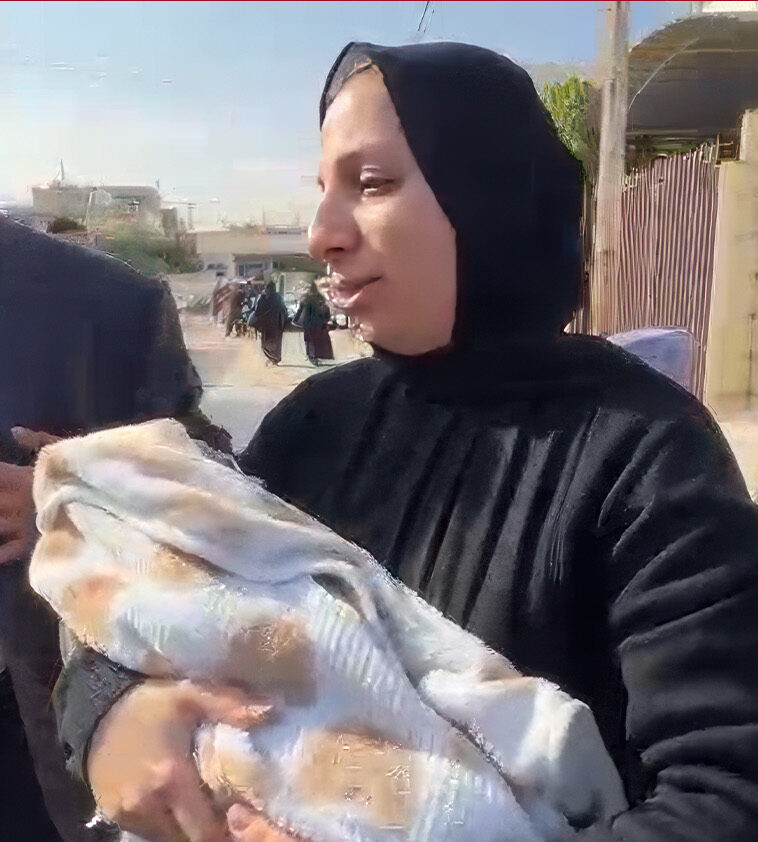
His widow stood before their home the next day, her infant in her arms, demanding answers:
“How could you fire that bullet at him?”
“Did he have a weapon?”
“Who should we ask for his blood?”
Her questions now echo far beyond Lajan.
A Village Surrounded by Power
What followed Irfan’s killing speaks volumes about the authorities’ priorities.
More than 100 military vehicles Hummers, armored trucks, and special units descended on Lajan. Security forces arrived in both military and civilian clothes, an unmistakable signal that this was not policing; it was domination.
The village was surrounded.
Families sheltered inside their homes as heavy weapons were mounted around them. Children cried as loudspeakers shouted orders. The message was clear: the state had come not to protect but to assert its will.
Even worse, journalists were pushed away, blocked physically from reporting the truth. One KurdFile team attempting live coverage was forced to stop broadcasting. In moments like these, the silence is often as violent as the bullets.
Forced Surrenders and the Politics of Fear
The elders of Harki tribe from Lajan its mukhtar and respected figures went to speak with the Ministry of Interior, hoping to de-escalate tensions. Instead, they were given an ultimatum:
Hand over five young men who joined the protest or face confrontation.
Faced with the threat of more bloodshed, the elders surrendered the five. Combined with an earlier detainee, the total reached six. Some were reportedly tortured, a detail that adds another layer of darkness to an already grim day.
The message to villagers was unmistakable: even grief can be criminalized.
The Tribal Element: When the Harki Are Ignored
To understand Lajan, one must understand the tribal fabric behind it.
The Harki tribe, one of the region’s influential tribal groups, viewed the raid and killing as a direct assault on their honor. In tribal culture, the death of a young man—especially one innocent of wrongdoing—creates a wound that spreads through families and generations.
For the Harki, Irfan’s killing was not just a tragedy; it was an insult.
Village elders say they were sidelined, ignored, and overshadowed by military decisions. Tribal leaders who attempted to mediate were blocked or dismissed, a move that many consider politically tone-deaf and culturally explosive.
When the state disregards tribal wisdom, it not only disrespects tradition—it destabilizes the very communities it claims to govern.
The Human Cost: A Widow, a Child, a Community in Fear
Beyond politics and power, there is a simpler story—the human one.
A baby now grows up fatherless.
A young woman now carries grief heavier than any weapon on the ground that day.
Villagers now live with checkpoints, patrols, and silent trauma.
Children, including the eight-year-old who was shot in the leg, now know fear too early.
The question that haunts the village, whispered in homes and shouted in grief, is painfully simple:
Why?
Why was live ammunition used on unarmed civilians?
Why was Irfan killed?
Why were journalists silenced?
Why was a whole village treated as an enemy?
And who, if anyone, will answer for these actions?
A Breakdown of Trust — and a Warning for the Region
If anything, Lajan reveals the growing rift between the people and the state.
Whether in Baghdad or Erbil, officials frequently speak the language of democracy, human rights, and respect for citizens. Yet on the ground, villagers witness something very different: militarization, forced compliance, censorship, and the erasure of tribal and community voices.
This is not just a local issue.
It is a warning.
A government that uses force instead of dialogue weakens its legitimacy.
A government that silences media erodes public trust.
A government that dismisses tribal values invites long-term conflict.
Lajan is a reminder that true stability does not come from armored vehicles—it comes from justice, accountability, and listening to the people.
In the End, One Question Remains
As the region debates, politicians speak, and security forces justify, one voice still rises above them all—the voice of Irfan’s widow, holding her infant son, her grief breaking the silence imposed on her village:
“Who should we ask for his blood?”
Until the authorities answer her, Lajan will remain a wound.
And KurdFile, as always, will continue to ask the questions others wish to ignore.
Author Profile

- Diyar Harki is an independent investigative journalist and human rights advocate. As a member of the National Union of Journalists (NUJ), he focuses on exposing corruption and human rights abuses in Kurdistan and Iraq. He voluntarily contributes to Kurdfile Media.
 Kurdistan18 January 2026Will the Terrorists Be Released?
- Opinion17 January 2026A Risk That Could Reshape the Kurdistan Region
 Reports7 January 2026Kurdistan MPs Receive Millions in Salaries as Parliament Remains Paralyzed
 Political3 January 202634% of Kurdish MPs in Iraqi Parliament Lack Arabic Proficiency