Fear of Freedom of Expression and the Reality of Persecution
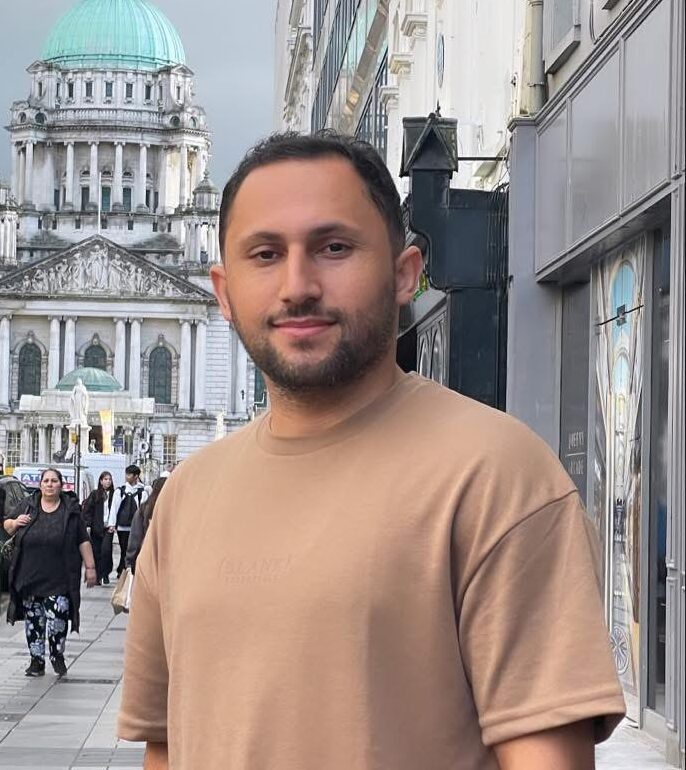
Diyar Harki
I speak today knowing that expressing these words places me at risk of persecution by the authorities of the Kurdistan Region, whether by the Kurdistan Democratic Party (KDP) or the Patriotic Union of Kurdistan (PUK). History shows that both parties were founded under banners of freedom, democracy, human rights, and Kurdish unity the KDP in 1946 and the PUK in 1975. Yet in reality, from their very beginnings until today, these slogans have remained empty words. As the two dominant ruling powers, they have ruled through family and partisan interests, not through democratic values, and anyone who challenges this reality becomes a target.
As someone who observes and speaks openly, I am painfully aware that the KDP has never proven itself in practice to be a truly national party. Many writers and researchers inside and outside Kurdistan have documented how the KDP has acted as a loyal ally and proxy of the Turkish state, facilitating Turkish military operations inside the Kurdistan Region, despite Turkey’s long history of hostility toward the Kurdish people and their rights. Speaking about this reality is dangerous. Questioning it can lead to threats, intimidation, or worse. During the rise of ISIS, when large areas of the Kurdistan Region were surrendered without resistance, no accountability followed only silence imposed through fear. Inside the party itself, there is no room for democracy; even the smallest criticism can put a person’s life in danger.
Likewise, the PUK, which once presented itself as a leftist and social-democratic alternative, has abandoned all its claimed principles. I have witnessed how freedom of expression has steadily disappeared, especially after the emergence of opposition movements such as Gorran. Since then, repression has intensified. People are arrested, interrogated, denied salaries, or harassed simply for speaking out, protesting, or supporting opposition voices. I know that by writing this, I place myself among those considered “troublemakers.”
The fear that the authorities have of free expression is so deep that any peaceful demand for rights is treated as a security threat. Protest is met with violence. Voices are met with batons, prisons, and sometimes bullets. Activists are imprisoned, silenced, or assassinated. This fear exists because the authorities have failed to govern. After more than thirty years in power, they have not provided even the most basic rights: reliable water, electricity, salaries, roads, or freedom of expression. Instead, citizens are humiliated, stripped of dignity, and treated as disposable, while those in power accumulate immense wealth. Anyone who dares to criticize the ruling families risks surveillance, arrest, or death.
I have watched teachers and civil servants suffer for more than eleven years since the so-called “self-sufficiency” declaration in 2014. Their lives have been consumed by poverty and uncertainty. When they tried to protest peacefully, their paths were blocked by security forces. Their voices were not allowed to reach Erbil. On 26 May 2025, after nearly two months without salaries, teachers and civil servants marched again in Sulaymaniyah. Instead of being heard, organizers were arrested. Political figures and academics were detained in front of party headquarters. Teachers who helped organize the protests were arrested the day before. The demonstrations were forcibly shut down.
I write this knowing full well that telling the truth in the Kurdistan Region is treated as a crime. But silence has become another form of oppression, and despite the fear of persecution by the KDP or the PUK, I refuse to pretend that this repression does not exist.
Author Profile

- Harki is an independent investigative journalist and human rights advocate. As a member of the National Union of Journalists (NUJ), he focuses on exposing corruption and human rights abuses in Kurdistan and Iraq. He voluntarily contributes to Kurdfile Media.
 Opinion21 October 2026What If?
 Kurdistan9 May 2026Urgent Appeal for Sherwan Sherwani’s Life
 Opinion30 April 2026Looting Under the Flag: How Power Turned War into Private Wealth
 Democracy of Hell30 April 2026A Region in Name, A Dynasty in Practice