
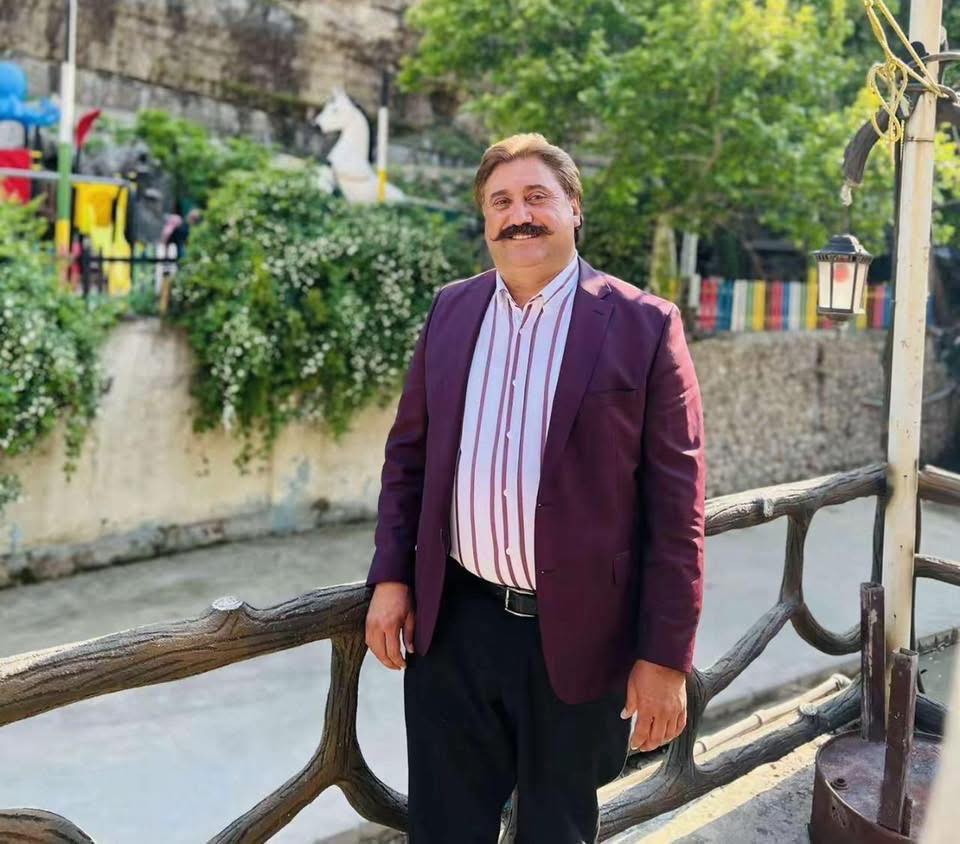
The Assassination of Shekho Kochar and the Crisis of Trust
Diyar Harki – Founder of KurdFile
Shekho Kochar — initially portrayed by media outlets aligned with the Kurdistan Democratic Party (KDP) as a drug trafficker in what critics describe as an attempt to soften public outrage — was killed in an operation that has sparked widespread anger. According to accounts circulating locally, the shooting occurred while his young daughters and sons were seated beside him in the same vehicle as the family returned from a celebration.
The role of the KDP’s Asayish security forces has come under intense scrutiny. Critics argue that the agency carries a troubling record of controversial operations and lacks professional standards expected of a modern security institution. Allegations of excessive force, poor judgment, and politicized enforcement have further deepened public distrust.
Particularly contentious is the claim that an arrest warrant dating back nearly a decade was executed on the very night of a family event, when Kochar was accompanied by relatives. Observers question the timing and operational planning, arguing that if the objective was lawful arrest, alternative methods could have been employed that minimized risk to civilians. The circumstances have amplified debate over governance standards and the conduct of security bodies in the Kurdistan Region.
The reaction among members of the Kochar tribe has been intense. Tribal solidarity remains a powerful social force, and incidents perceived as unjust often resonate beyond the individual case. Some analysts warn that such events risk fueling deeper resentment toward both the KDP and the broader political establishment, potentially widening existing fractures within Kurdish politics.
The broader concern is stability. History has shown that when political grievances merge with tribal loyalties, tensions can escalate rapidly. Calls for accountability are growing, while others urge restraint to prevent a cycle of retaliation that could destabilize the Region further.
A peaceful political transition remains the most sustainable path forward. However, continued controversies surrounding governance and security practices risk eroding public trust to a point where stability becomes increasingly fragile.
Author Profile

- Diyar Harki is an independent investigative journalist and human rights advocate. As a member of the National Union of Journalists (NUJ), he focuses on exposing corruption and human rights abuses in Kurdistan and Iraq. He voluntarily contributes to Kurdfile Media.
 Kurdistan18 January 2026Will the Terrorists Be Released?
- Opinion17 January 2026A Risk That Could Reshape the Kurdistan Region
 Reports7 January 2026Kurdistan MPs Receive Millions in Salaries as Parliament Remains Paralyzed
 Political3 January 202634% of Kurdish MPs in Iraqi Parliament Lack Arabic Proficiency