Integrity, Luxury, and the Art of Optics
Opinion | Diyar Harki – Founder of KurdFile
The newly appointed Director General of Administration at the Kurdistan Integrity Commission has assumed office.
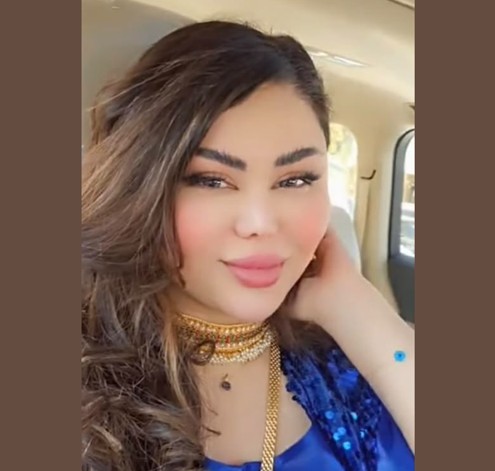
A glance at the public social media presence of Ms. Hazha Omar offers a portrait worth examining. In one image, she expresses gratitude toward senior leadership; in another, she stands beside a luxury SUV. Additional posts highlight a villa in the Spanish Village and carefully curated displays of gold bracelets and designer accessories.
The symbolism is striking.
Here is an official entrusted with oversight of integrity — photographed in settings that project affluence, travel, and high-end consumption: Paris one week, Istanbul the next, Dubai shortly thereafter. The aesthetic is bold, confident, and unapologetically glamorous.
At the same time, charitable gestures are displayed: the distribution of food staples to the underprivileged, religious pilgrimages, carefully framed acts of public generosity. It is an image that blends benevolence with opulence.
Yet the fundamental question remains: can an institution charged with investigating corruption afford to project such overt luxury at a time when public confidence in governance is fragile?
When gemstones, villas, and designer handbags dominate the narrative surrounding the Integrity Commission’s leadership, scrutiny naturally follows. The office carries ministerial rank and responsibility. Its credibility depends not merely on legal authority, but on moral optics.
The people of Kurdistan are not analyzing handbags. They are asking whether corruption will be investigated impartially — whether allies, rivals, and power centers alike will be subjected to equal scrutiny.
Integrity is not a fashion statement. It is a test.
And institutions built to monitor corruption must be careful not to become symbols of the very culture they are meant to regulate.
Author Profile

- Diyar Harki is an independent investigative journalist and human rights advocate. As a member of the National Union of Journalists (NUJ), he focuses on exposing corruption and human rights abuses in Kurdistan and Iraq. He voluntarily contributes to Kurdfile Media.
 Kurdistan18 January 2026Will the Terrorists Be Released?
- Opinion17 January 2026A Risk That Could Reshape the Kurdistan Region
 Reports7 January 2026Kurdistan MPs Receive Millions in Salaries as Parliament Remains Paralyzed
 Political3 January 202634% of Kurdish MPs in Iraqi Parliament Lack Arabic Proficiency