Dohuk Detentions Expose a Deeper Crisis Behind Kurdistan’s Electricity Policy
Diyar Harki
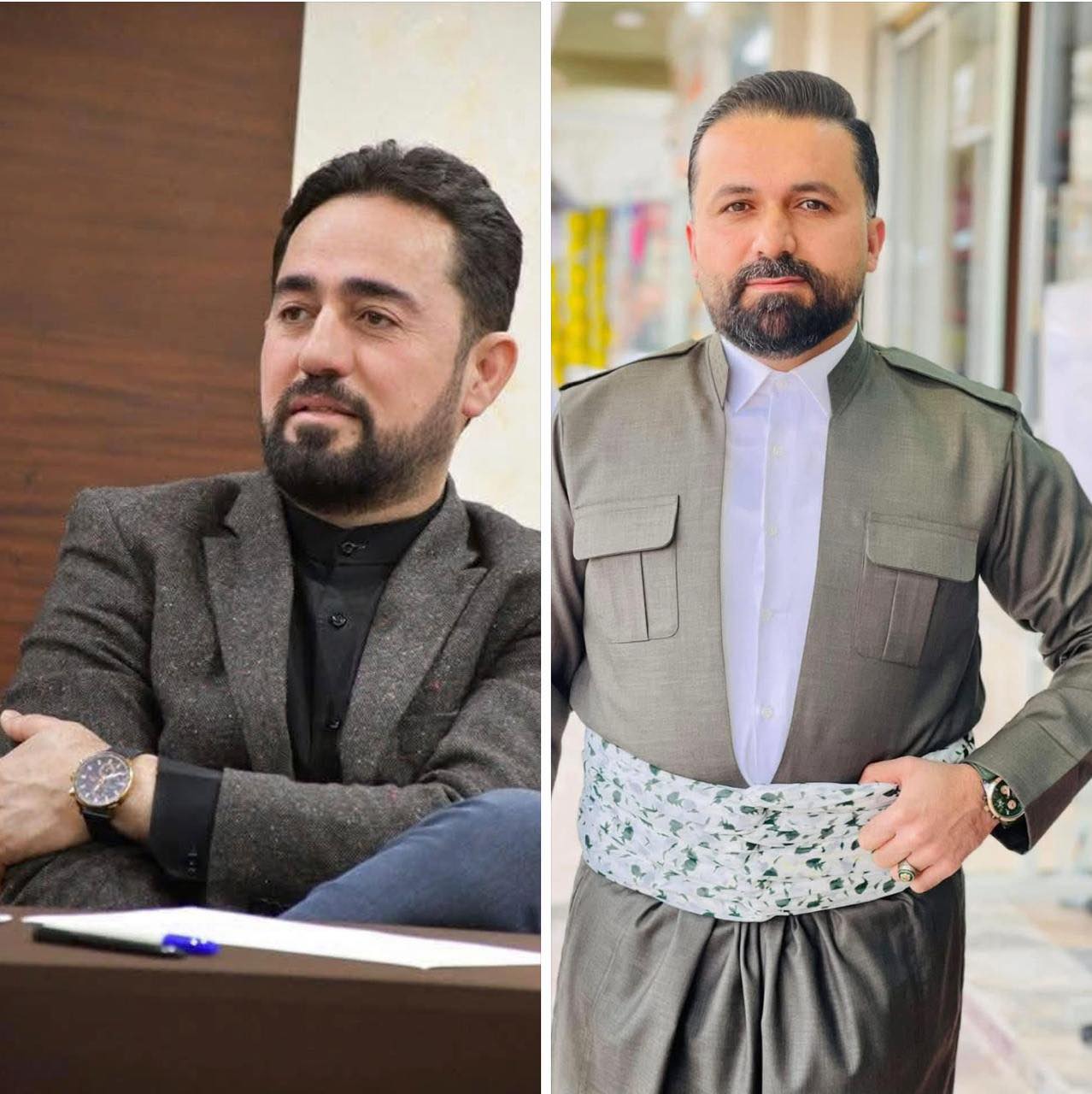
The detention of activists Rêber Emînki and Sabah Atrushi in Dohuk marks a familiar turning point in the Kurdistan Region’s political playbook: when public frustration crosses a certain threshold, the response shifts from explanation to suppression.
Their arrest came as protests intensified outside the electricity directorate, where residents have been voicing anger over soaring tariffs. For many households, electricity bills are no longer a manageable expense but an existential burden—reportedly exceeding monthly incomes by several multiples. In any accountable system, such claims would trigger immediate review. In Dohuk, they have instead triggered arrests.
This reaction reflects a deeper structural issue. The Kurdistan Democratic Party (KDP), which dominates Dohuk politically and administratively, is not simply managing a service crisis—it is managing a legitimacy crisis. The flagship “Runaki” 24-hour electricity project, presented as a milestone of development, is now increasingly viewed by citizens as a vehicle for financial strain rather than public benefit.
The recent media appearance of Aziz Ahmad on K24—widely perceived as aligned with the ruling establishment—did little to calm tensions. His insistence that electricity prices are “fair” was met not with reassurance but with widespread ridicule. The public response was swift and revealing: hundreds of comments rejecting official narratives, alongside viral videos of residents detailing their financial struggles. The gap between official discourse and lived reality has rarely been more visible.
In what appears to be a reactive measure, authorities have now replaced the director of electricity in Dohuk. Yet such moves follow a well-established pattern across both Iraq and the Kurdistan Region: accountability is often redirected downward. Mid-level officials are removed to absorb public anger, while the underlying policies—and the networks that sustain them—remain untouched.
The electricity sector has long been one of the most opaque and corruption-prone areas of governance in Iraq. Despite billions spent over decades, consistent supply remains elusive, and pricing structures frequently lack transparency. The Kurdistan Region, despite its reputation for relative stability, is not insulated from these dynamics. Instead, it operates within a more centralised system where political authority and economic decision-making are closely intertwined.
What makes the current situation in Dohuk particularly sensitive is its location. As a key KDP stronghold and voter base, sustained unrest here carries political risks that extend beyond the immediate issue of electricity. The spread of sarcastic commentary and memes—especially from residents in Akre reacting to the arrival of 24-hour electricity—may seem superficial, but it reflects a deeper erosion of public trust. When humour becomes the primary outlet for dissent, it often signals that formal channels for accountability have narrowed.
The arrests, therefore, are not just about two activists. They are part of a broader attempt to contain a narrative that is slipping beyond official control. Yet containment has its limits. Economic pressure, unlike political messaging, cannot be easily managed through media or administrative reshuffles.
The central question now is not whether the authorities can quell these protests in the short term. It is whether a governance model built on limited transparency, concentrated power, and constrained public space can withstand mounting socioeconomic pressure in the long term.
Dohuk is no longer just witnessing a dispute over electricity bills. It is revealing the fault lines of a system under strain.
Author Profile

- Diyar Harki is an independent investigative journalist and human rights advocate. As a member of the National Union of Journalists (NUJ), he focuses on exposing corruption and human rights abuses in Kurdistan and Iraq. He voluntarily contributes to Kurdfile Media.
 Uncategorised7 April 2026Family Torn Apart: Drone Strike Kills Couple Near Erbil
 Journalism7 April 2026Kataib Hezbollah Frees Shelly Kittleson But the Message Is Clear
 Journalism5 April 2026Abduction in Baghdad: Militias, Impunity, and the Strategic Logic Behind Shelly Kittleson’s Kidnapping
 Journalism4 April 2026Dohuk Detentions Expose a Deeper Crisis Behind Kurdistan’s Electricity Policy